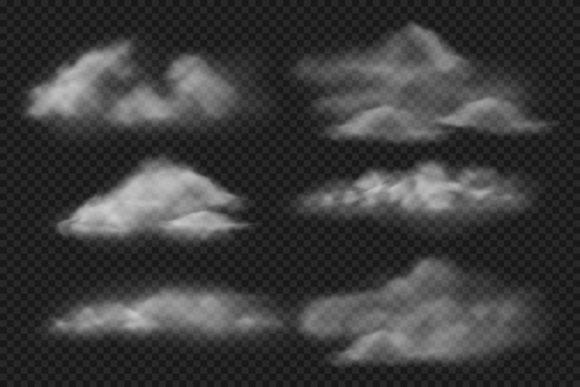
Realistic Fog: The Ultimate Atmospheric Display Typeface
In the world of digital design, texture is often the bridge between a flat image and an immersive experience. While clean lines and sharp edges have their place, there is a growing demand for assets that mimic the imperfections and depth of the real world. This is where the Realistic Fog design asset comes into play. Far more than just a simple overlay, this collection serves as a versatile toolkit for designers, marketers, and content creators looking to inject a sense of mystery, mood, and cinematic quality into their work. Whether you are working on a Halloween campaign, a vaporwave aesthetic project, or a moody music album cover, understanding how to leverage these atmospheric elements is key to elevating your visual storytelling.
Deconstructing the Atmosphere: What Makes This Asset Unique
The core appeal of the Realistic Fog asset lies in its ability to replicate the complex behavior of moisture and smoke in the air. This isn't a flat, uniform gray stamp. Instead, it is a curated collection of visual phenomena, including steam fogs, dense smoke clouds, and water vapor mist. The visual characteristics are grounded in realism; the shapes are organic, soft, and diffuse, mimicking how light scatters when it hits particles in the atmosphere. The "personality" of this style is inherently moody and versatile. It can feel cozy and warm when used in warm tones, or cold and eerie when applied in blues and grays.
As a 3D vector illustration isolated icons set, the technical quality is paramount. The product file includes a vector EPS10 file, which is the industry standard for scalability, alongside a JPEG preview. This distinction is vital for professional application. A raster image (like a standard JPEG) will pixelate if you stretch it too large for a billboard or banner. However, the vector nature of the Realistic Fog asset ensures that the edges of the smoke and the gradients of the vapor remain mathematically perfect, regardless of size. This makes it a premium font alternative for graphic elements—meaning it offers high-end quality suitable for commercial broadcasting and print media.
Strategic Applications: From Brand Identity to Editorial Design
Knowing what the asset is and knowing how to use it are two different things. For the modern creative professional, Realistic Fog serves as a bridge between static design and dynamic motion. Here is how different audiences can apply this asset effectively:
Enhancing Brand Identity and Logo Design
For entrepreneurs and brand strategists, atmosphere defines perception. If you are building a brand identity for a coffee shop, a distillery, or a wellness retreat, steam and fog are powerful visual metaphors. They suggest warmth, heat, or a sense of calming isolation. By incorporating these vector elements into your logo design or background textures, you add a layer of depth that flat colors cannot achieve. It helps in creating a brand identity that feels tactile and "lived-in" rather than sterile and corporate.
Digital Media and Web Design
In the realm of web design and social media graphics, attention is the currency. A static hero image can often feel passive. By layering a subtle fog element over a landscape or a product shot, you create a focal point. The eye is naturally drawn to areas of high contrast and texture. For content creators on platforms like Instagram or TikTok, using these overlays on video thumbnails can drastically increase click-through rates by signaling a high-production-value aesthetic. It transforms a standard photo into a cinematic frame.
Editorial and Packaging Design
Publishers and designers working on editorial design or packaging design often struggle with negative space. You don't want the page to feel cluttered, but you don't want it to feel empty either. Realistic Fog acts as a "filler" that doesn't demand attention but enriches the environment. Imagine a book cover for a mystery novel or a candle label; the fog provides the necessary atmosphere without overpowering the typography. It acts as a background conductor, harmonizing the other design assets on the page.
Technical Mastery: Working with Vectors and Layers
The true power of this asset is unlocked through the included vector files. The prompt specifies that if you want to separate elements, remove, or edit something, you should use a vector editor like Adobe Illustrator. This is not just a suggestion; it is a best practice for professional results.
Because Realistic Fog is delivered as a 3D vector illustration, you have control over the opacity, color, and blending modes. In software like Illustrator or Affinity Designer, you can change the fog from a natural white/gray to a toxic green or a deep purple to match your specific color palette. Furthermore, you can "mask" the fog. For example, you can place a product image on top of the fog and use a clipping mask to make the fog appear to be swirling around the base of the product, creating a realistic 3D effect on a 2D canvas.
When integrating these elements with typography, such as a display font or a serif font, consider the hierarchy. Fog is a background player. Ensure your text remains the hero. High-contrast placement—white text on dark fog, or dark text on light, wispy steam—ensures readability. This asset is about enhancing the message, not obscuring it.
Evaluating Fit and Licensing for Commercial Use
For designers and business owners, the practical side of acquiring assets involves licensing and project fit. Realistic Fog is categorized as a commercial font and asset, meaning it is cleared for use in projects that generate revenue. This is crucial for agencies and freelancers who need to ensure their clients are legally protected.
When evaluating if this asset fits your project, consider the "mood board" of your design. If your project requires a modern typography style that feels clean and minimalist, heavy smoke might be too aggressive. However, if you are aiming for drama, nostalgia, or a supernatural vibe, this is the ideal creative font companion. It pairs exceptionally well with handwritten font styles for a grunge look, or with clean sans serif font families for a high-tech, futuristic aesthetic.
Ultimately, the goal of using an asset like Realistic Fog is to save time while increasing quality. Instead of spending hours trying to paint smoke brushes that look fake, you start with a high-fidelity vector base. This allows you to focus on the composition, the message, and the overall strategy of your design. Whether you are a hobbyist making a poster or a publisher designing a magazine spread, the ability to manipulate atmosphere is a powerful tool in your creative arsenal.